
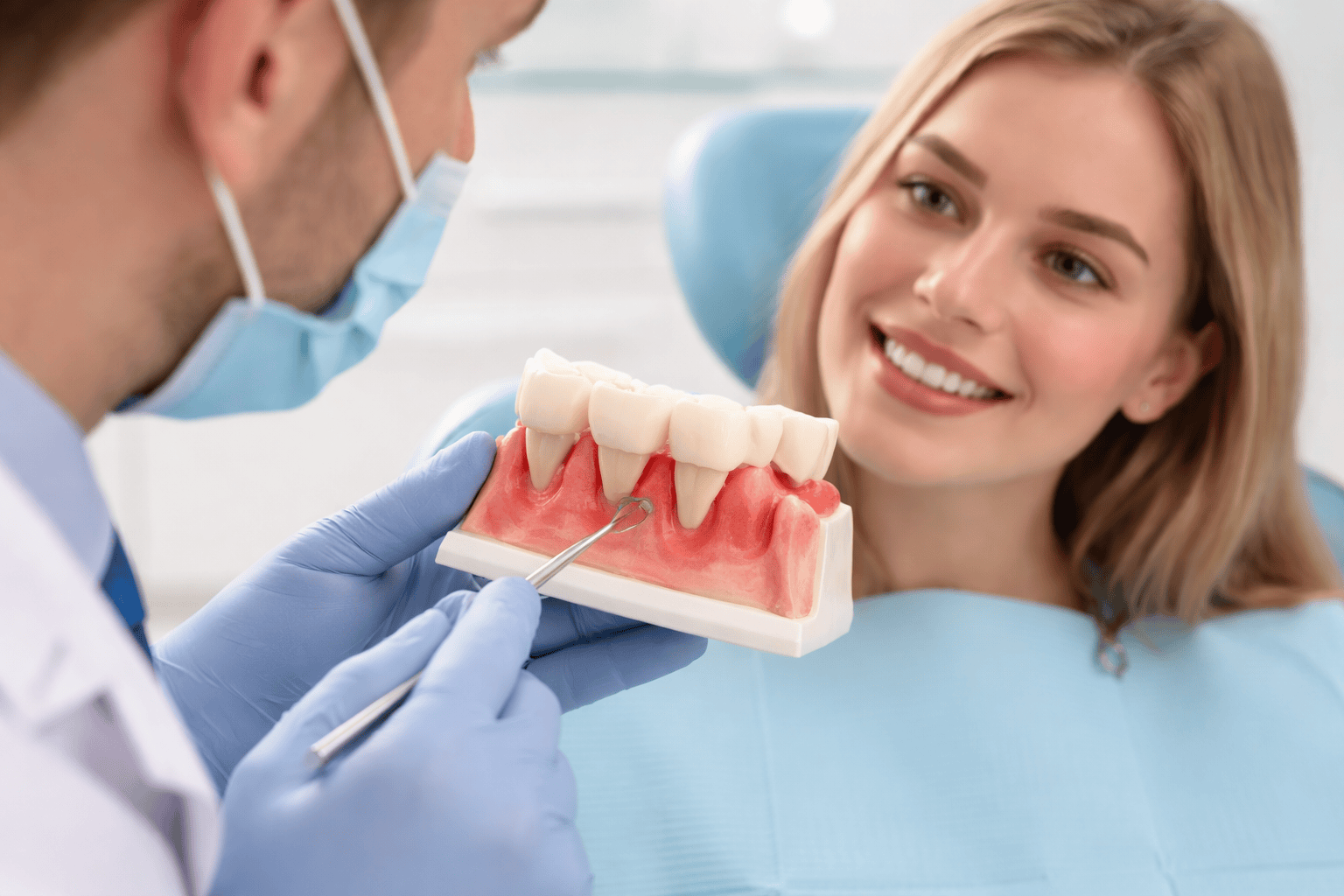
Have you noticed your gums “receding,” making your teeth look longer? Or do you feel a sharp sensitivity when drinking something cold, brushing a specific area, or even breathing in cold winter air? These are common signs of gum recession. In some cases, the most effective and predictable solution isn’t a “sensitive teeth” toothpaste, but a gum graft (also called gingival grafting).
In this article, we explain gum grafting in Montreal—the most common indications, what recovery looks like, and realistic before-and-after expectations, including comfort, root protection, and smile esthetics.
What Is Gum Grafting, Exactly?
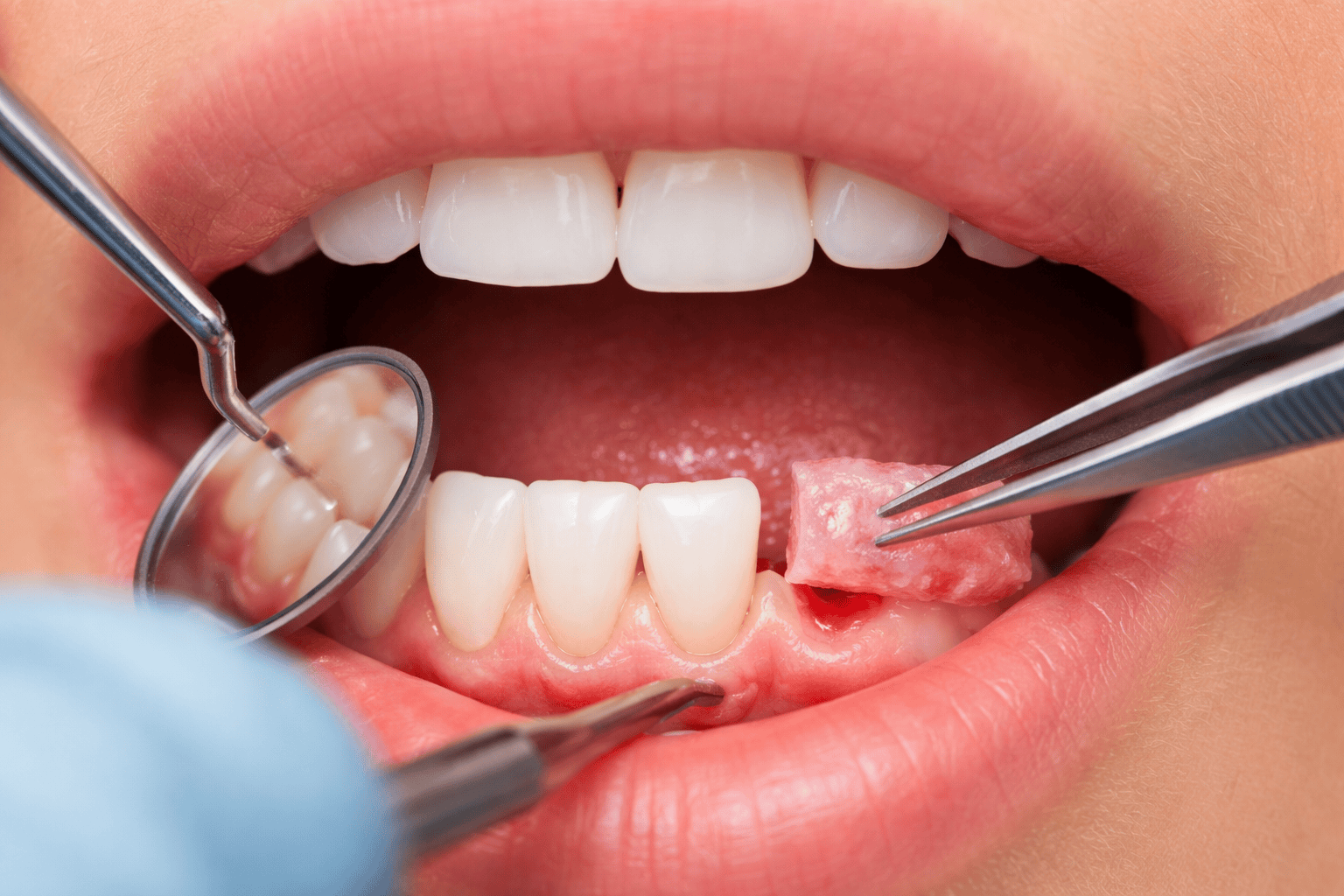
A gum graft is a periodontal procedure (periodontics focuses on the gums and supporting tissues) designed to increase the thickness and/or height of gum tissue around one or more teeth. The main goal is to protect the tooth root, stabilize recession, and in many cases cover exposed roots (also called root coverage).
Why is this important? Because an exposed root is not meant to be uncovered:
- it is more prone to tooth sensitivity;
- it has a higher risk of root cavities;
- it can negatively affect the appearance of your smile.
(Suggested internal link: Gum grafting.)
When Is a Gum Graft Recommended?
Not every recession requires surgery. However, a gum graft becomes a strong recommendation when one or more of the following factors are present.
1) Progressive Gum Recession
If gum recession continues over time (confirmed through photos, exams, or measurements), treatment is often recommended to stabilize the area before the condition worsens and root coverage becomes less predictable.
2) Sensitivity and Exposed Roots
When roots are exposed, many patients experience hypersensitivity to cold, sweets, or brushing. A gum graft can help by covering the root (when possible) and adding protective tissue.
(Suggested internal link: Tooth sensitivity.)
3) Esthetic Concerns (Smile, Asymmetry, “Long Teeth”)
Esthetics matter—especially when recession affects visible teeth. A gum graft can improve gum-line harmony, but esthetic results depend on several factors (type of recession, tissue thickness, surgical technique, etc.). We’ll cover this in more detail below.
4) Thin Gums or Lack of Attached Gingiva
Some people naturally have thin, fragile gum tissue that recedes more easily with brushing or inflammation. In these cases, grafting helps thicken the tissue, making it more resistant and stable long term.
5) Before Certain Treatments (Orthodontics, Restorations, Implants)
In some treatment plans, reinforcing the gum tissue before orthodontic movement or restorative procedures improves tissue stability and long-term outcomes.
What If the Cause Is Periodontitis?
Periodontitis (advanced gum disease) can lead to bone and tissue loss, including recession. In these cases, gum grafting may be part of the treatment plan, but it does not replace infection and inflammation control.
Typically, the approach is:
- diagnose and stabilize the disease (deep cleanings, hygiene therapy, maintenance);
- then evaluate grafting to protect exposed roots or improve comfort and esthetics.
Main Types of Gum Grafts (In Simple Terms)
Your dentist or periodontist may recommend different techniques depending on the goal (thickening vs. root coverage), the area, and your anatomy:
- Connective tissue graft: commonly used for root coverage and esthetic results.
- Free gingival graft: mainly used to increase the amount of gum tissue and resistance (often less esthetic-focused, depending on location).
- Tissue substitutes/matrices: in selected cases, biomaterials can be used to reduce or eliminate the need for a donor site.
The best option depends on your recession type, existing gum tissue, and expected predictability.
Before & After: What Are Realistic Expectations?
This is often the most important discussion. The honest answer: gum grafting can produce excellent results, but the primary goal is stability and protection.
What Often Improves
- Reduced sensitivity, usually gradually as healing progresses.
- Root protection and decreased risk of future recession.
- Esthetic improvement, especially when recession is favorable for root coverage.
What Can Vary
- The exact percentage of root coverage—some recessions cover fully, others partially.
- Color and texture match—the graft usually blends very well, but final integration depends on technique and location.
- Final results aren’t immediate—the tissue continues to mature over several weeks.
A proper gum grafting consultation in Montreal should include photos, measurements, identification of the cause (brushing habits, bite forces, periodontal disease), and a clear explanation of the most likely outcome in your case.
Recovery: What to Expect
Recovery depends on the technique and number of teeth treated, but many patients experience:
- Mild to moderate discomfort during the first few days (often described as soreness rather than pain).
- Swelling, especially during the first 48–72 hours.
- Modified oral hygiene—you’ll receive specific instructions to protect the grafted area.
- Diet adjustments, with softer foods initially, followed by a gradual return to normal eating.
Most patients return to daily activities quickly, but complete tissue maturation takes several weeks.
Important: Following post-operative instructions closely is one of the most important factors for success.
How to Prevent Recession from Returning
While a graft can stabilize the area, prevention is still essential. Common causes of recurrence include:
- overly aggressive brushing or hard toothbrushes;
- incorrect brushing technique;
- persistent gum inflammation (plaque, tartar, uncontrolled periodontitis);
- mechanical factors such as clenching or grinding, in some cases.
Grafting is often combined with education, hygiene follow-ups, and monitoring.
When Should You Book an Evaluation?
Consider consulting if you notice:
- rapidly progressing recession;
- persistent sensitivity in a specific tooth;
- gum tissue that feels tight, thin, or bleeds easily;
- significant esthetic concerns due to uneven gum lines.
FAQ — Gum Grafting
Is the procedure painful?
Most patients report manageable discomfort, especially during the first few days. The level varies depending on the technique and individual sensitivity.
How long until I see final results?
Initial improvement is visible early, but the final esthetic result develops as the tissue matures over several weeks.
Does gum grafting guarantee full root coverage?
No. Coverage depends on the type of recession and anatomical factors. The main goal is protection and stability, with the best possible coverage.
Is it covered by insurance?
Coverage depends on your insurance plan and diagnosis. Your dental office can usually help verify this.
In Summary
A gum graft is recommended when gum recession causes sensitivity, exposes tooth roots, affects esthetics, or is likely to worsen. If you’re looking for gum grafting in Montreal, a thorough consultation focused on the cause, long-term stability, and realistic before-and-after expectations is key to protecting your smile.
Ready to find out if you’re a good candidate? Book an evaluation for gum health and recession at the clinic.

